

From 16 to 18 April 2026, children and young people from different EU countries went to Berlin, Germany, for the Platform’s second study visit on well-being and mental health.
What was the study visit about?
The visit brought children together at the Embassy of Children, run by SOS Children’s Villages, to share, learn, and put together recommendations on:
- How children can feel safe, supported, respected and listened to regarding mental health issues
- How adults, schools, families and services can better support children’s well-being
What we recommend
To make sure children feel safe, supported and able to ask for help, adults and decision-makers should:
- Make support easier to find, easier to access and easier to trust
- Invest in therapy, mental health services and professional support for children
- Help schools become safer and more supportive places for children
- Teach emotional intelligence, empathy, communication and stress management
- Reduce stigma around mental health so children can speak openly without fear or judgement
- Support families so they can better understand and respond to children’s needs
To make sure children’s voices are heard and taken seriously, adults and decision-makers should:
- Involve children in decisions about mental health, well-being and support systems
- Create safe spaces where children can share their views and experiences
- Listen to children when they say what they need
- Work together across schools, families, health and social services, governments and youth organisations
- Help children turn their ideas into actions, campaigns, petitions and recommendations
- Report back to children on how their ideas are being used
Who joined the visit?
- Children from the EU Children’s Participation Platform (+ accompanying adults)
- Participating countries: Bulgaria, Croatia, Cyprus, Czech Republic, Ireland, Lithuania, Portugal, Romania, Spain and Sweden.
- Children, young people and adults from SOS Children’s Villages and the Embassy of Children
- Adults and young people from other EU civil society organisations
- Representatives and facilitators from our Platform and the European Commission
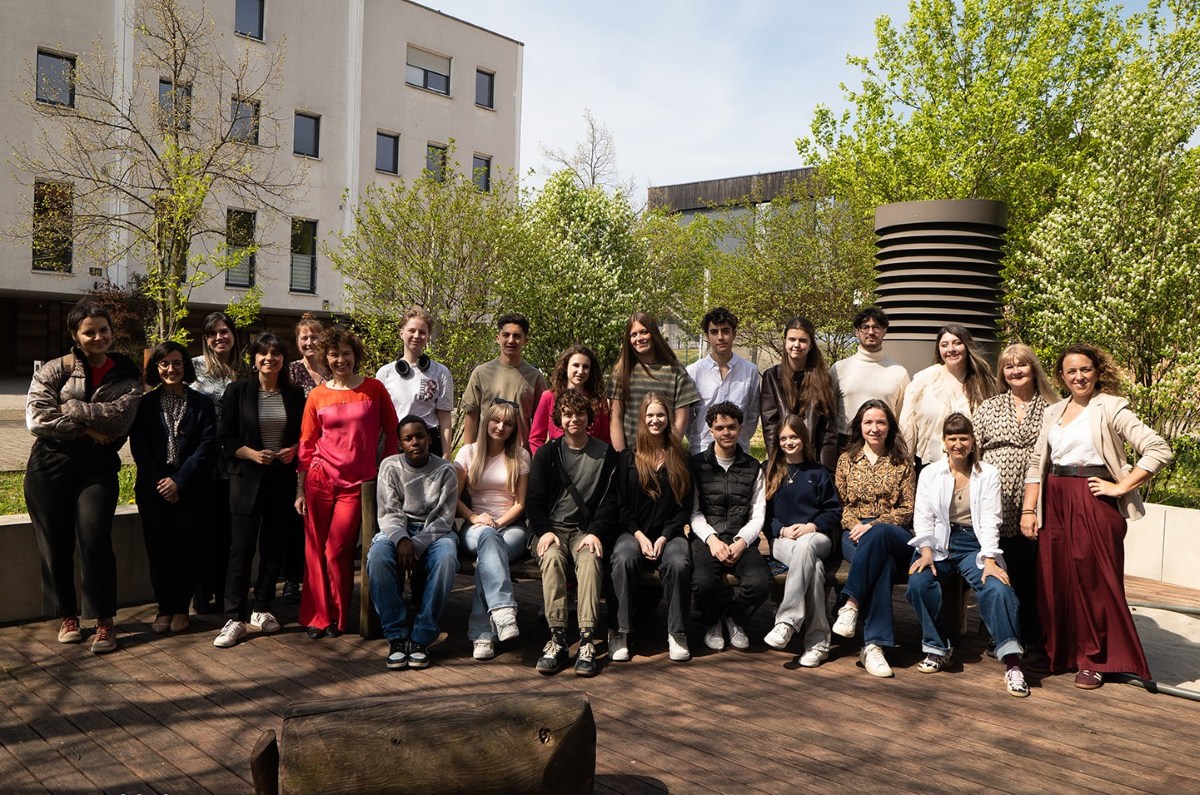
Together for wellbeing in Berlin!Together for wellbeing in Berlin! 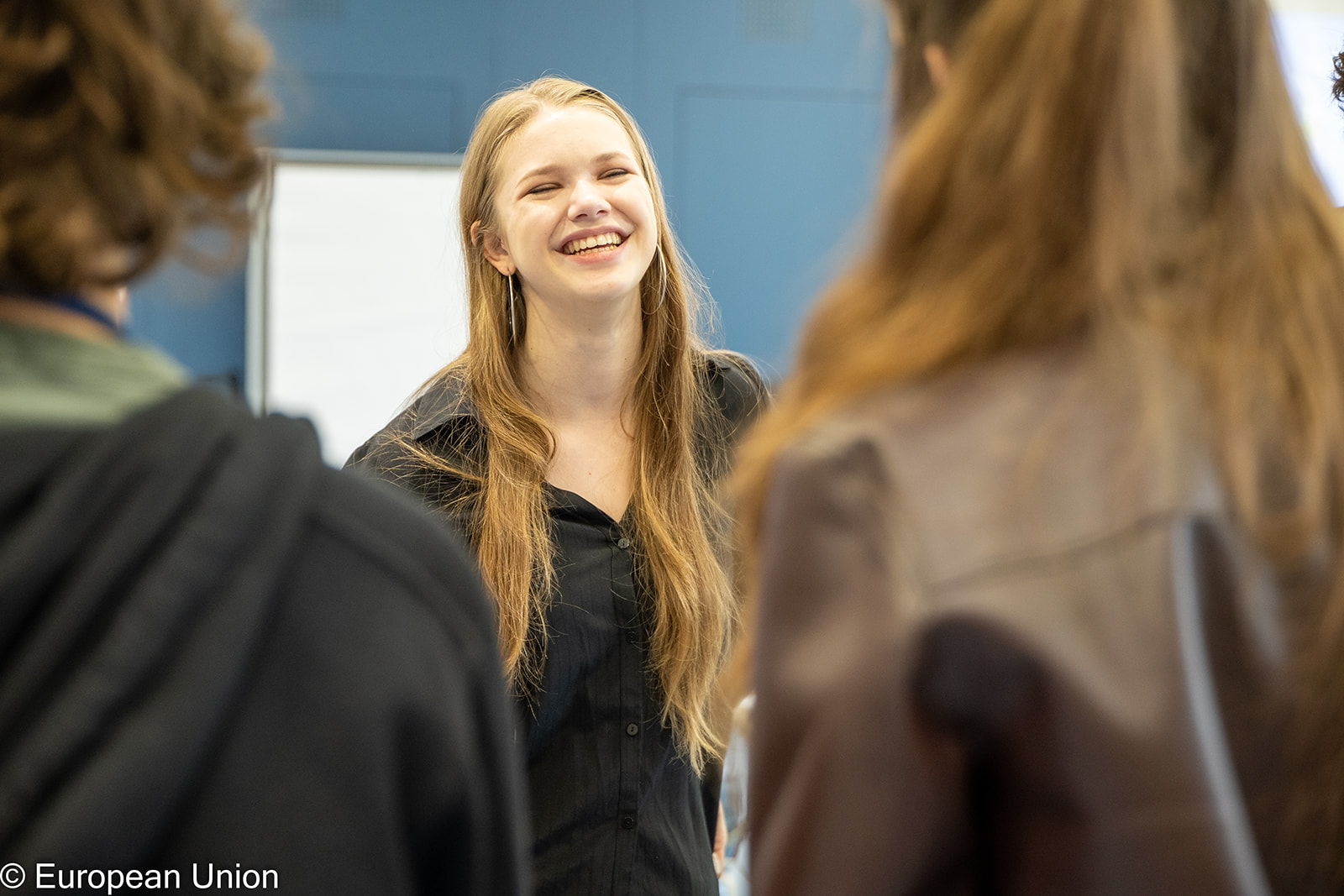
A safe space for expression amongst peersA safe space for expression amongst peers 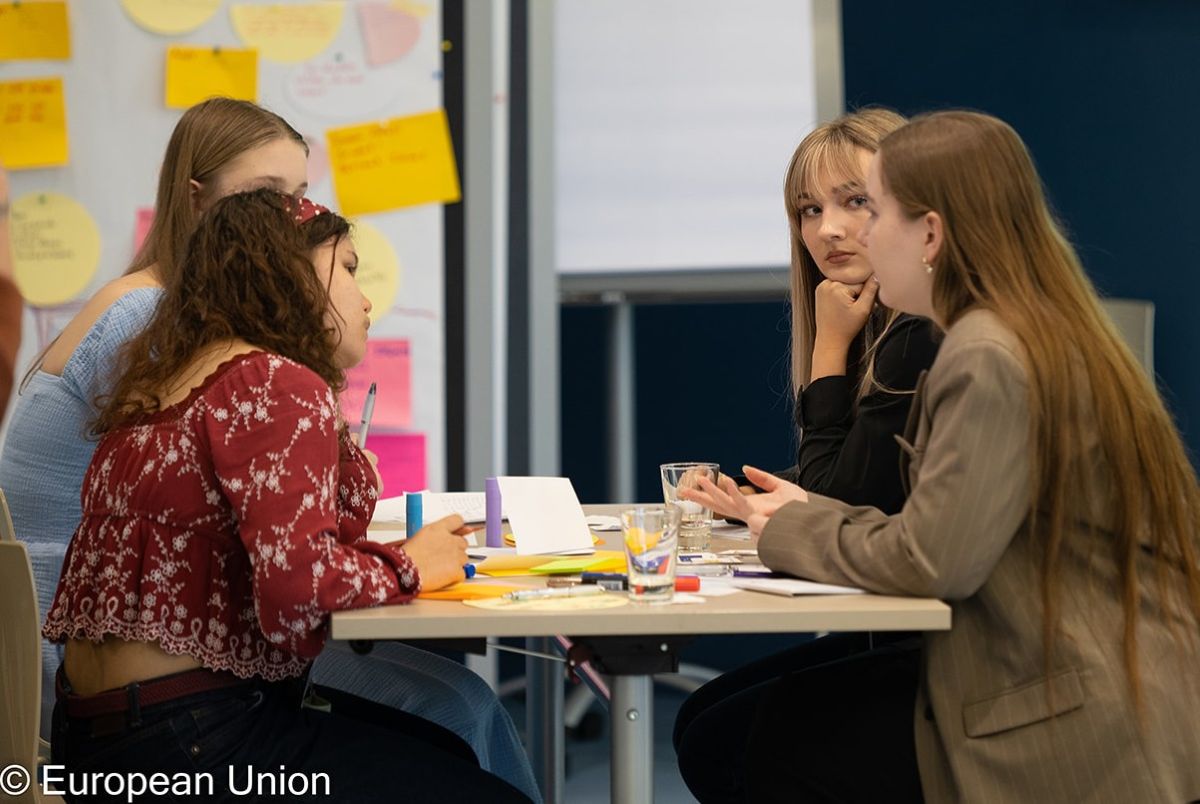
Exchange and discussion with peersExchange and discussion with peers 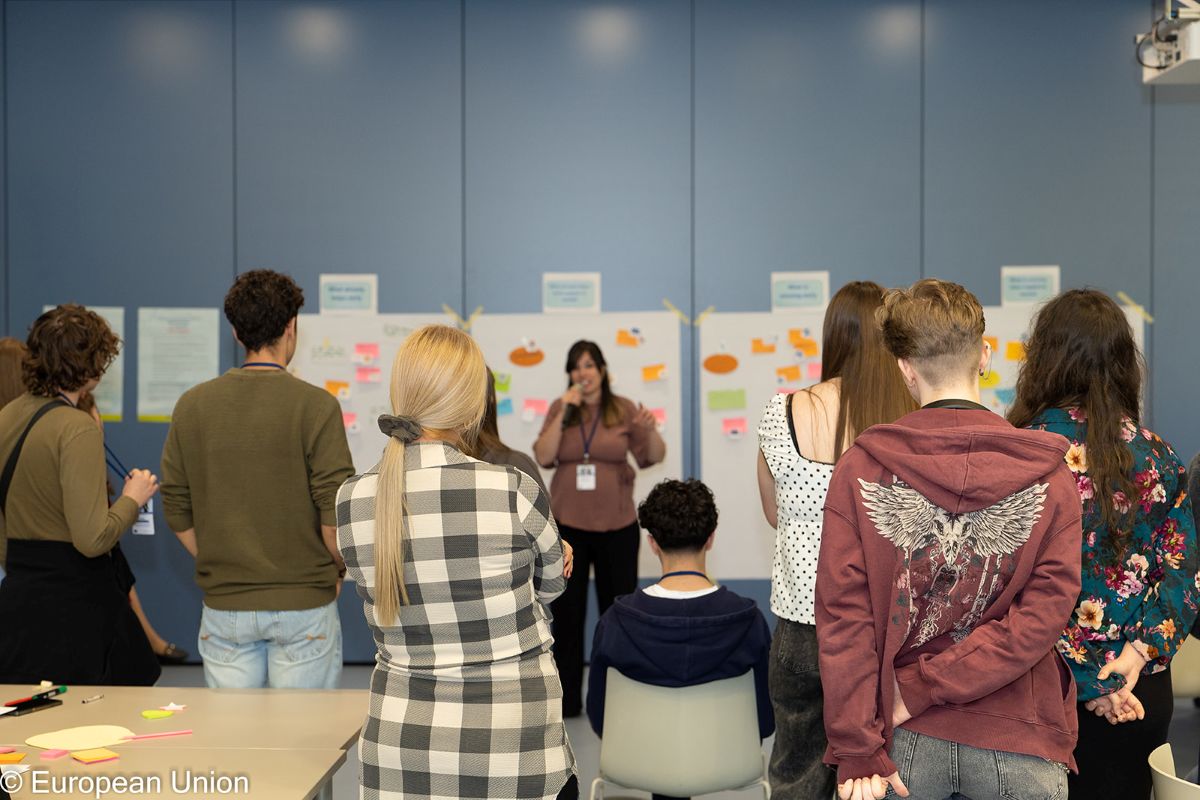
Getting up to speed with the next steps of our work on wellbeingGetting up to speed with the next steps of our work on wellbeing 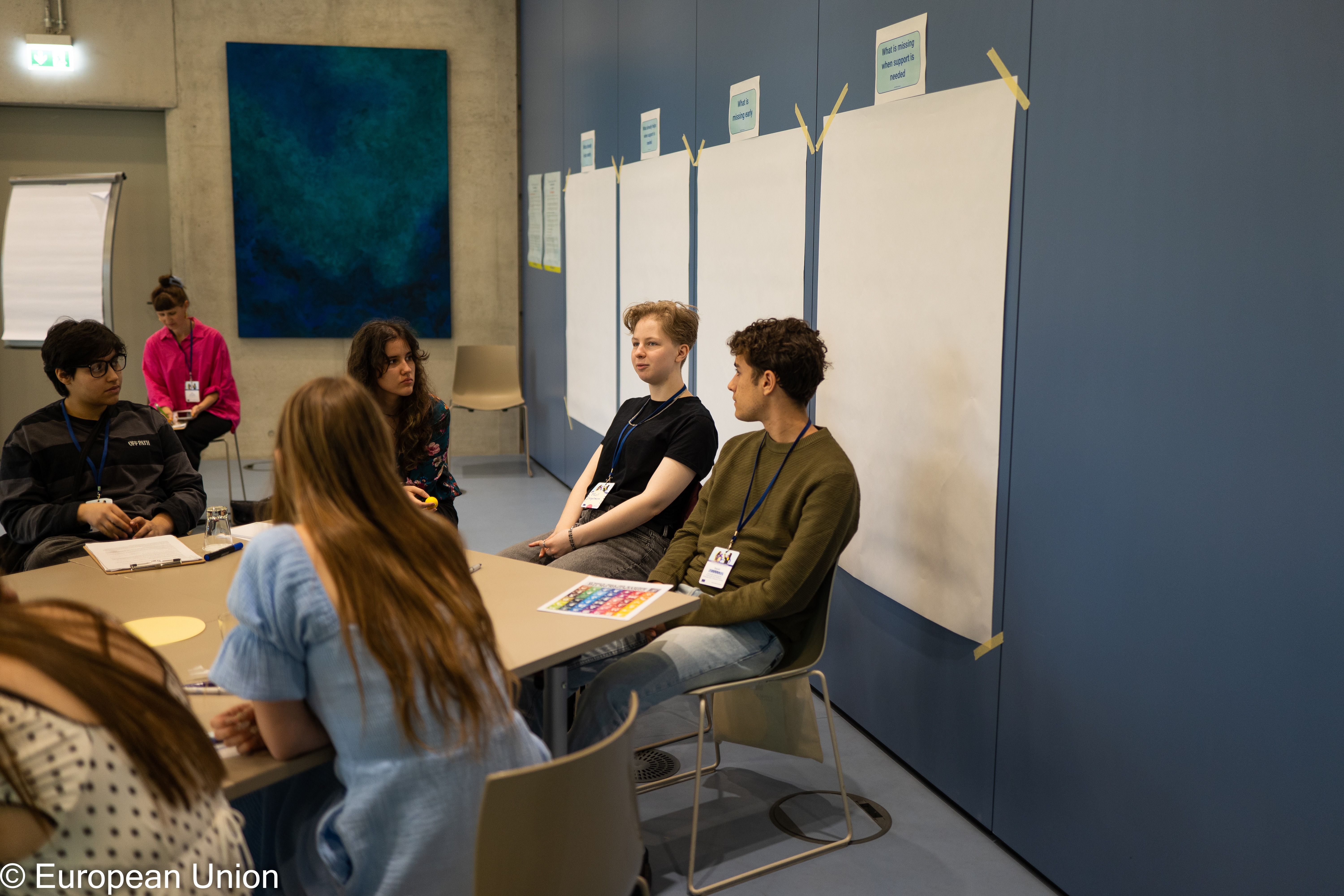
Exchange and discussionExchange and discussion 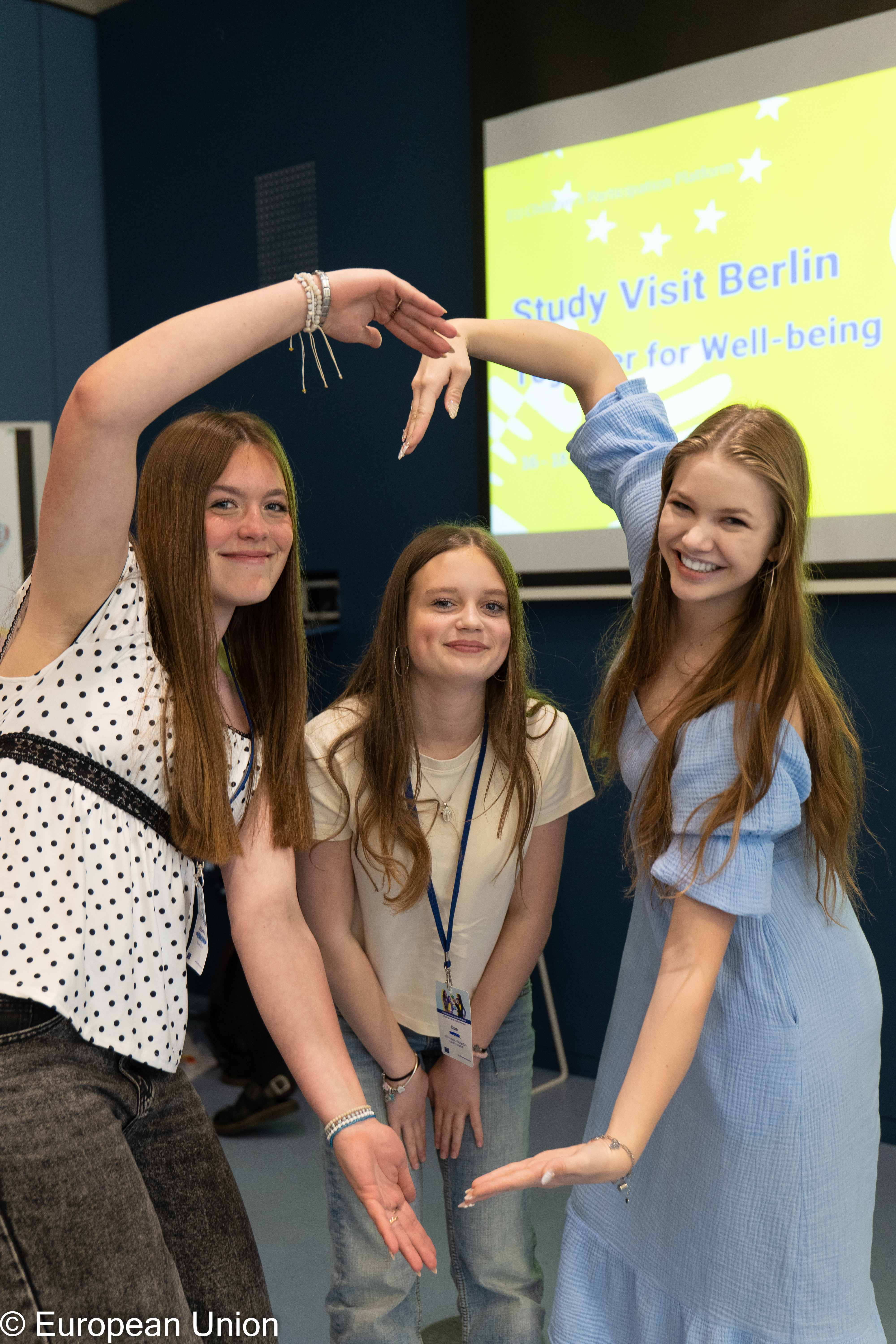
Friends making a fun hand shapeFriends making a fun hand shape 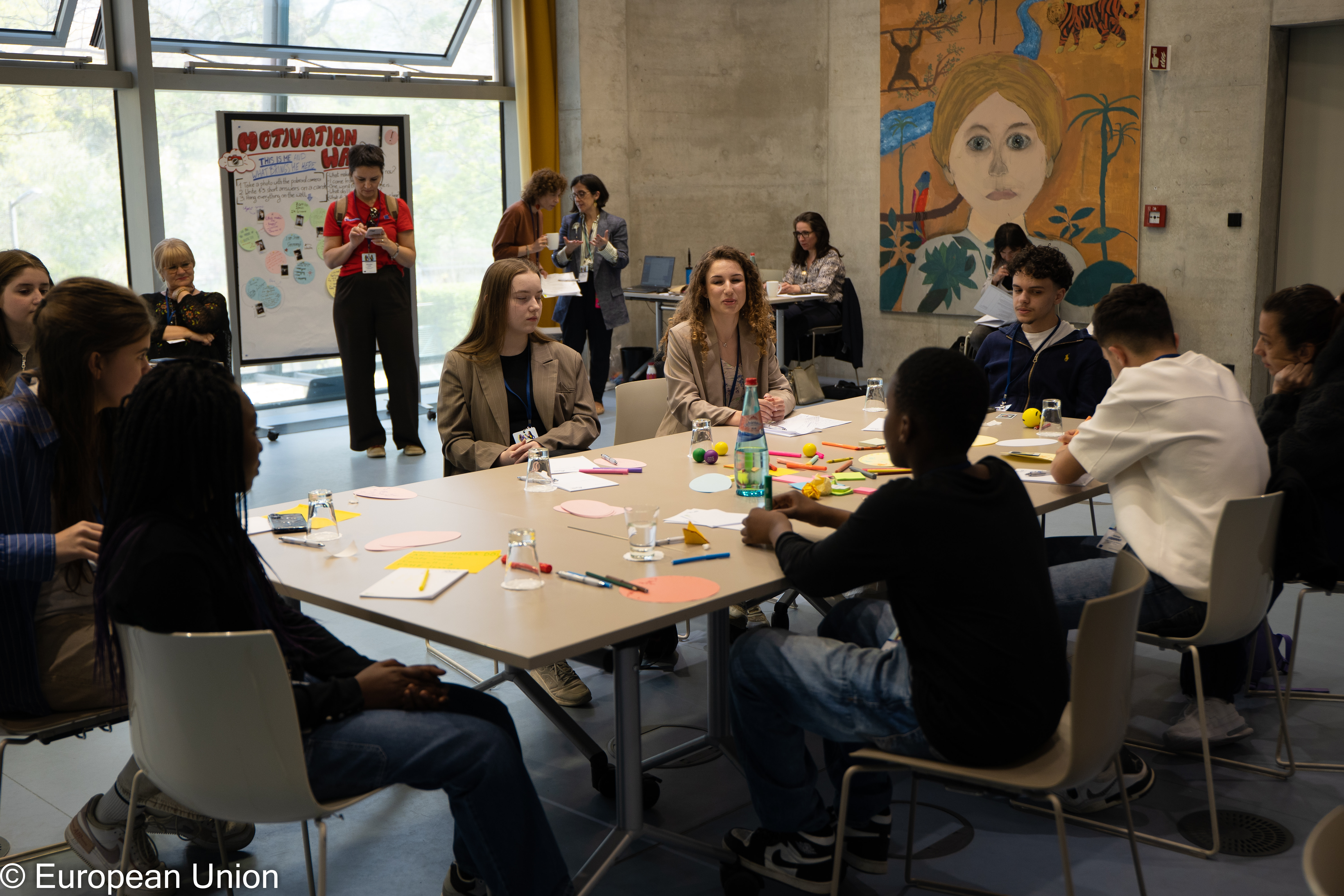
Young participants sharing ideas in a group workshop in BerlinYoung participants sharing ideas in a group workshop in Berlin
What happened each day?
Day 1 – 17 April 2026
- Introduction to the Embassy of Children by the SOS Children’s Villages
- Creative activities for children, designed to help them express their views, experiences and ideas on mental health and wellbeing in a child-friendly way
- Interactive sessions on supportive practices and how young voices can shape national mental health debates.
- City tour and dinner
Day 2 – 18 April 2026
- Workshops on how different countries support children’s mental health, including:
- I Support my Friends and Mental Health Coaches, German Federal Ministry for Education, Family Affairs, Senior Citizens, Women and Youth, SOS Children’s Villages
- How to bring young voices to local decision makers through a petition, SOS Children’s Villages Youth Council, Germany
- Policies and Resources for Safe and Supportive Schools, Ministry of Education and Research, Unicef, Romania
- Healthier Youth - Addressing the Risks of Online Gambling and Gaming - Reforms and Investments, III High School, Gdynia, Poland
- Child and Youth Wellbeing and Mental Health First, Regional Ministry of Health in Andalusia, Unicef, Spain
- Supporting Mental Health Resilience among Youth in Cyprus, Ministry of Health in Cyprus, Unicef
- Policy Labs to turn children’s ideas into Policy Cards
- Sharing and agreeing on the priority themes that matter most to children
What happens next?
The recommendations developed in Berlin will help inform follow-up work with the Network for Children’s Rights, expert groups on mental health and well-being in the European Commission and European Parliament, and the EU Strategy on the Rights of the Child.