
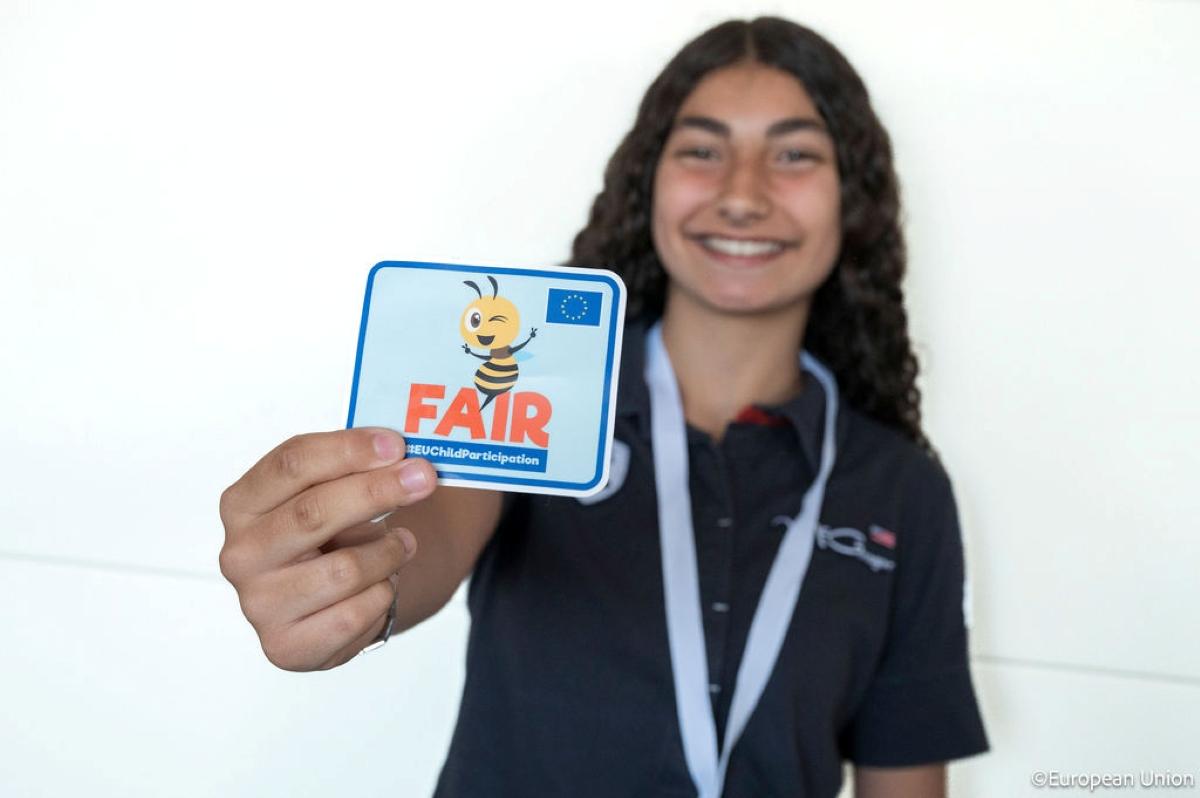
In March 2026, the EU adopted it's first Strategy on Intergenerational Fairness. It aims to ensure that the choices we make today improve the opportunities of tomorrow, and that benefits and responsibilities are shared fairly by everyone.
EU citizens were consulted between February and November 2025 on the Strategy: through a public consultation, and a Citizen's Panel, which gave 24 recommendations. Our young members also provided input through their Call to Action.
What is in the Strategy?
Three main objectives:
- Future-proof policymaking with long-term thinking
- Empower young people and amplify their voices in decision-making
- Bridge generational divides by making the future a shared project
Some of the of actions include:
- An intergenerational fairness index to measure how well EU countries are protecting the future of younger and future generations. To help identify opportunities and gaps, inform policy decisions and promote fairness across generations.
- A future literacy toolkit for policymaking across EU countries
- A ‘Voices of the Future’ initiative for local and regional governments to engage in shaping their regions' future
- A common direction for different EU initiatives – from inclusive education to affordable housing – that are already contributing to intergenerational fairness
More about the Strategy on Intergenerational Fairness
Two-page factsheet to download (in English)
Our contribution
During our July 2005 General Assembly meeting, children participated in a session on Intergenerational Fairness. They put together proposals in their Call to Action, on some changes they would like to see in in how society thinks and acts:
- End the blame culture: adults must stop negative stereotyping and victim-blaming
- Promote intergenerational dialogue through EU-supported events and campaigns
- Support organisations that empower children to participate in decision-making spaces
- Launch anti-hate campaigns featuring public figures, with a focus on valuing migrant and LGBTQ+ children